- All Categories
- Medication Management
- Uncategorized
- Crisis Management
- Employee Training
- Senior Living Training
- Resident Care
- Palliative Care
- Senior Health & Care
- Falls
- Senior Lifestyles
- Administrator Classes
- Alzheimer's/Dementia Care
- Safety
- Recruiting and Hiring
- Technology
- Employee Life
- Emotional Intelligence Training
- Workforce Management
- Parkinson's
- Assisted Living
- Activities
- Elopement Risk
- Employee Retention
- Fire Safety
- Risk Training
- Dementia Training
- Winter Safety
- Infection Control
Risk Training for Assisted Living Facilities: When Routine Becomes Risky
Medication administration is a routine part of daily life in many assisted living communities. But medication safety itself should never become routine. With risk training for assisted living facilities in mind, we've shared the case study below to show how quickly several small factors can come together to create a potentially dangerous result.
Read Article
Senior Living Employee Retention: Building a Workforce That Stays
Senior living operates in an especially competitive labor environment. Retirement communities must compete to hire nurses, caregivers, dining employees, housekeepers, maintenance professionals, and other workers. With qualified employees increasingly difficult to find, successful retention strategies are more important than ever.
Read Article
Assisted Living Education for Elopement Prevention and Response
Elopement — when a resident wanders away or exits a facility unsupervised — is one of the most dangerous and emotionally charged risks in assisted living communities and memory care settings.
Read Article
A Senior Care Training Must: Keeping Seniors Cool and Comfortable During Heatwaves
Every summer, extreme heat contributes to thousands of emergency room visits among older adults. For seniors, high temperatures can quickly lead to dehydration, heat exhaustion, or even life-threatening heat stroke. That's why heat safety should be an important part of every senior care training program. According to the CDC, older adults are among the populations most vulnerable to heat-related illness because aging can make it more difficult for the body to regulate temperature.
Read Article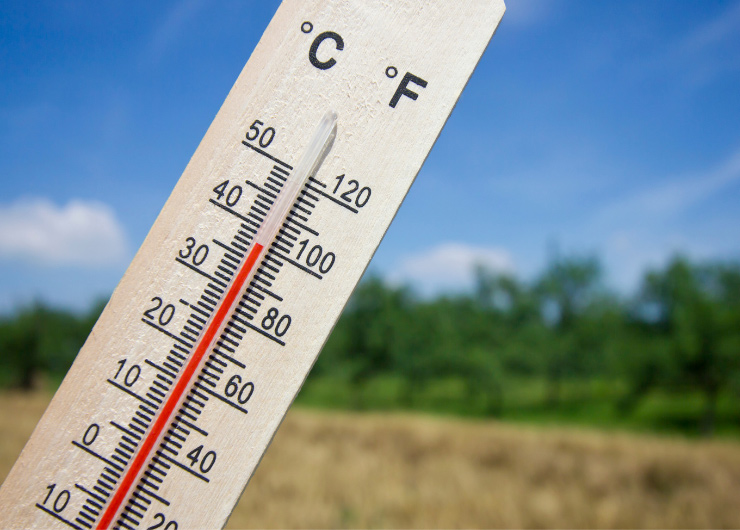
Senior Care Training to Develop a Community Life Program for Residents in Assisted Living
Developing engaging activities for seniors in assisted living isn’t a luxury — it’s essential to quality of life. Activities support physical health, mental stimulation, social connection, and emotional well‑being. A thoughtfully designed Community Life Program for Assisted Living lays the foundation for meaningful daily life by guiding communities on what programs to offer, where and how to deliver them, and how to tailor activities to different acuity levels.
Read Article
Senior Care Training to Support People with Parkinson’s
Parkinson’s disease is a progressive neurological condition that affects movement, cognition, and many aspects of daily life. For people living with Parkinson’s, professional caregivers—whether in-home aides, assisted living staff, or long-term care teams—play a vital role in preserving quality of life, promoting independence, and supporting families. When caregivers have appropriate senior care training, education, and an appreciation for how Parkinson’s uniquely affects each person, they become indispensable partners in care.
Read Article