- All Categories
- Medication Management
- Uncategorized
- Crisis Management
- Employee Training
- Senior Living Training
- Resident Care
- Palliative Care
- Senior Health & Care
- Falls
- Senior Lifestyles
- Administrator Classes
- Alzheimer's/Dementia Care
- Safety
- Recruiting and Hiring
- Technology
- Employee Life
- Emotional Intelligence Training
- Workforce Management
- Parkinson's
- Assisted Living
- Activities
- Elopement Risk
- Employee Retention
- Fire Safety
- Risk Training
- Dementia Training
- Winter Safety
- Infection Control
Heart-Healthy Activities in Assisted Living Communities
As we age, maintaining heart health becomes increasingly important. Assisted living communities offer unique opportunities to foster physical activity, social engagement, and mental well-being, all of which are vital for heart health. Here, we explore various heart-healthy activities that residents can easily incorporate into their daily lives.
Read Article
Assisted Living Education for Enhancing Resident Safety through AI, Sensor Technology, Wearables, and Ambient Intelligence
As the population ages, the demand for assisted living and memory care communities has grown. These facilities provide support and care but also ensure the safety of their residents. With advancements in technology, particularly in artificial intelligence (AI), sensor technology, wearables, and ambient intelligence, the landscape of senior care is rapidly changing.
Read Article
Overcoming Staffing Challenges in the Assisted Living Industry: Building a Sustainable Workforce through Assisted Living Training
The assisted living industry plays a crucial role in providing care and support for the elderly, yet it has been facing significant staffing challenges that can impact the quality of care delivered to residents. As the demand for assisted living services continues to rise due to an aging population, many facilities are struggling to recruit and retain qualified staff. Addressing these challenges is essential for maintaining high standards of care and ensuring the well-being of residents.
Read Article
Improving Assisted Living Fire Safety Through Staff Training
Because of the vulnerability of residents—many of whom will likely require assistance evacuating—staff members must be equipped with the knowledge and skills to act decisively and correctly. Proper fire safety training can ensure that staff members understand evacuation procedures, fire prevention measures, the five different classes of fires, use of fire extinguishers, and how to communicate effectively during emergencies.
Read Article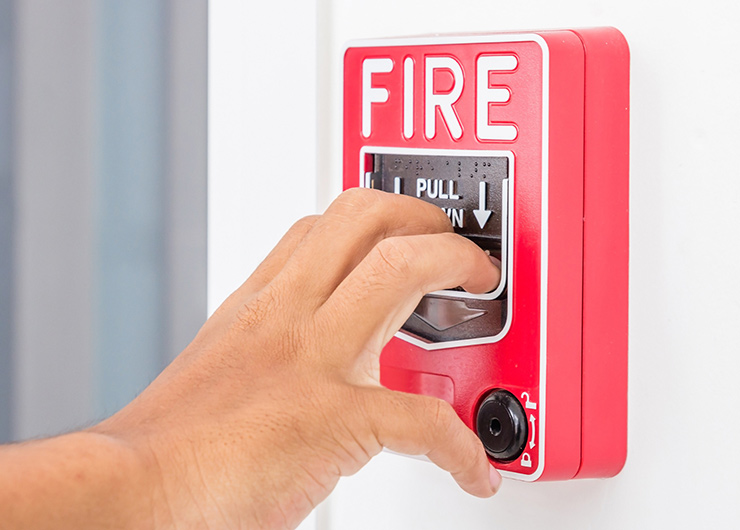
Cultural Competency in Assisted Living Education Programs Means Better Care for Residents
Cultural competency is more than honoring heritage days, offering cultural activities, or providing ethnic cuisine in the dining hall. When a staff member communicates in a way that respects a person's identity and beliefs, it can boost their emotional and social well-being and reduce stress, especially important during health challenges. The resident feels understood. Integrating a resident's traditions or spiritual beliefs into their care plan can enhance their overall quality of life. Reducing language barriers can improve understanding of complex medical issues.
Read Article
From Compliance to Compassion: Why Emotional Intelligence Training Matters in Long Term Care Training
Assisted living communities looking to enhance staff-resident relationships and promote person-centered care should consider incorporating emotional intelligence (EI) courses into their staff training, especially in long term care training. In general, across multiple industries, EI training improves emotional regulation and empathy at work, and supports safer, higher-quality service delivery. For senior communities, that can translate into better quality of care for residents and increased job satisfaction for staff.
Read Article